What Is Curtis Jackson’s Net Worth in 2026? 50 Cent’s Money Breakdown
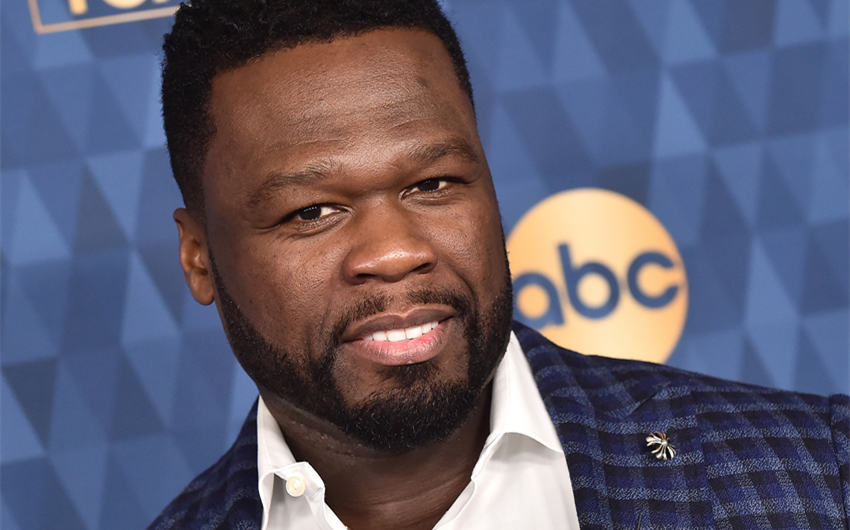
If you’re asking what is Curtis Jackson’s net worth, you want a straight answer and the logic behind it. Curtis “50 Cent” Jackson has a reputation for turning fame into ownership—then turning ownership into long-term income. While no celebrity publishes a personal balance sheet, the most commonly cited 2026 estimate puts him at roughly $100 million, and the way he built it is a masterclass in stacking revenue streams.
Estimated Curtis Jackson Net Worth in 2026
Estimated net worth (2026): about $100 million.
That figure is an estimate, not an audited number. But it’s widely repeated because it fits the visible shape of his career: major early music success, a signature “I don’t just perform, I produce” pivot, and multiple business moves that paid far more than album sales ever could. The key is that Curtis Jackson isn’t only a rapper with side hustles—he’s a media and deal-making operator who learned how to keep earning even when he’s not dropping music every year.
Who Is Curtis Jackson?
Curtis James Jackson III—known globally as 50 Cent—is a rapper, actor, producer, and entrepreneur who broke out in the early 2000s and later reinvented himself as a television power player. You probably know the public highlights: chart-dominating albums, a highly publicized survival story, and nonstop commentary online. But the wealth story comes from what he did after the breakout: building companies, owning pieces of projects, and negotiating deals that pay for years instead of weeks.
Quick Facts
- Most-cited 2026 net worth estimate: about $100 million
- Biggest wealth drivers: music catalog, touring, TV/film producing, brand equity deals, and business ownership
- Career twist that matters financially: shifting from “artist paid per project” to “producer/owner paid per ecosystem”
Net Worth Breakdown: Where Curtis Jackson’s Money Comes From
1) Music Earnings and a Catalog That Still Pays
Music built the platform. Even if you don’t follow hip-hop closely, you’ve heard how massive his early run was. That kind of peak success creates two money lanes:
Up-front earnings: album advances, label deals, touring leverage, and brand opportunities that arrive when you’re at the center of culture.
Long-tail earnings: streaming, publishing, and licensing tied to a catalog people still play. Catalog money isn’t always flashy, but it’s durable. The bigger and more recognizable your songs are, the more “evergreen” your earnings potential becomes.
For net worth, the catalog matters because it can continue generating income while you focus on other businesses. It becomes a financial foundation you don’t have to rebuild from scratch every year.
2) Touring and Live Performance Revenue
For many major artists, touring becomes the most reliable cash machine once the music business shifts away from physical sales. Curtis Jackson has leaned into touring at strategic moments, using the nostalgia-plus-hits combination to sell tickets globally.
Here’s why touring matters in a net worth conversation: you’re not just paid for performing—you’re paid for being the brand people want to experience live. And if you structure your touring business smartly (production control, sponsorship alignment, smart routing), the profit can be meaningful.
Touring also refreshes your relevance. Every tour creates new press, new content, and new demand for your older music, which can lift streaming and licensing at the same time.
3) The Real Wealth Pivot: TV and Film Producing
If you want the clearest explanation for why his net worth still climbs long after his first album era, it’s television. Curtis Jackson didn’t just appear in projects—he positioned himself to own projects. Producing changes the math in your favor because it can give you:
Up-front payments: producer fees, development fees, and compensation for creative leadership.
Ongoing participation: earnings tied to multiple seasons, spin-offs, and expansions.
Leverage: when you’re successful as a producer, your next deal typically gets bigger, faster, and more favorable.
This is why people say he “reinvented” himself. He moved from “talent” to “infrastructure.” A hit show can become a whole universe, and a whole universe can become a long-term income engine.
4) Equity Deals That Changed Everything (The Vitaminwater-Style Play)
One of the most famous parts of Curtis Jackson’s money story is the idea that he didn’t just take endorsement checks—he took ownership stakes. This is the difference between short-term celebrity money and long-term wealth-building.
When you take equity, you’re betting that the company’s value will rise, and you’ll be rewarded for that growth. It’s riskier than a flat fee, but the upside can be enormous. This strategy is widely cited as a key moment that shifted public perception from “rapper making money” to “businessman making real wealth moves.”
The bigger lesson is simple: if you want to understand why his net worth is still significant today, follow the deals where he owned a piece—not the ones where he was just paid to show up.
5) Network and Studio Deals
When you build a proven track record in TV, you start getting offered broader agreements: overall deals, development commitments, and multi-project relationships with networks and platforms. These arrangements matter because they turn your brand into a pipeline.
Instead of negotiating one project at a time, you negotiate a relationship that can produce multiple checks across multiple titles. That creates stability—something most entertainers never achieve—because your income isn’t dependent on a single release succeeding.
And if you’re building teams (writers, directors, production staff), those deals can become scalable. The business stops depending on you doing everything personally, and starts depending on your ability to lead a machine.
6) Spirits, Consumer Brands, and Merch
Curtis Jackson has repeatedly used consumer brands to expand beyond entertainment. In this lane, the earnings come from a mix of:
Brand ownership or stakes: the higher-upside path when you’re more than a spokesperson.
Distribution-driven growth: if a product gets into the right channels, the business can scale without you having to “perform” for every dollar.
Merch and direct-to-fan sales: a loyal fanbase can convert into consistent product revenue when the brand is managed well.
Consumer businesses can be volatile, but they’re powerful in net worth terms because they diversify you away from media cycles. When an album flops or a show ends, a well-run product line can still sell.
7) Real Estate and Asset Moves
Real estate is a classic wealth-preservation strategy for celebrities with long careers. Even when public reporting doesn’t show every property or every transaction, you can understand the logic: successful entertainers often place money into property because it’s tangible, it can appreciate, and it can act as a hedge against the ups and downs of entertainment income.
For Curtis Jackson specifically, real estate has also shown up as part of his larger “build a hub” strategy in certain markets—tying property to entertainment ambitions rather than treating it as purely passive investing. When someone is using property to support business plans (studios, production facilities, venues), it can become both an asset and a growth lever.
8) The Bankruptcy Chapter and Why It Didn’t End the Story
People love to bring up the bankruptcy filing as if it cancels everything else. In reality, it’s more accurate to see it as a financial reset point that changed his approach and his public narrative.
Bankruptcy doesn’t automatically mean “no money.” It can reflect legal judgments, cash-flow timing, disputes, and strategy. What matters for net worth today is what happened after: continued producing success, new deals, and an expanding business footprint.
In other words, the bankruptcy chapter is part of why the current estimate is believable. He had a very public financial storm—and still rebuilt a diversified income engine afterward.
Why Curtis Jackson’s Net Worth Is Often Higher Than People Expect
If you only think of him as “the guy who made hit songs,” the $100 million estimate might surprise you. But if you think of him as a producer-owner who uses fame as leverage, it makes more sense.
His wealth is less about one paycheck and more about stacking categories:
Entertainment income (music and touring) creates cash flow and cultural relevance.
Production income (TV/film) creates long-term deal value.
Equity and business ownership create upside that doesn’t depend on performing.
Assets (like real estate) help preserve wealth over time.
Bottom Line
So, what is Curtis Jackson’s net worth? In 2026, the most commonly cited estimate puts Curtis “50 Cent” Jackson at about $100 million. The reason it’s that high isn’t just music success—it’s the combination of catalog value, touring leverage, producer ownership in TV, equity-style business deals, and asset-building that helped him keep earning long after his first wave of fame.