Pete Maravich Net Worth at Death: NBA Salary, Endorsements, Legacy Earnings Explained
If you’re searching Pete Maravich net worth, you’re probably wondering how much money “Pistol Pete” actually had when his life ended so young. The short answer is that Maravich earned well for his era, but he didn’t die with modern superstar wealth. NBA salaries in the 1970s were smaller, endorsement money was limited compared to today, and his post-playing years were complicated. Even so, he built real earnings through basketball and related work, and his legacy remains priceless to the sport.
Quick Facts
- Full Name: Peter Press Maravich
- Nickname: “Pistol Pete”
- Born: June 22, 1947
- Died: January 5, 1988
- Age at Death: 40
- Height: About 6’5″ (196 cm)
- Nationality: American
- Profession: Professional basketball player
- NBA Teams: Atlanta Hawks, New Orleans Jazz, Boston Celtics
- College: LSU (Louisiana State University)
- Spouse: Jackie Maravich
- Children: 2 sons
- Estimated Net Worth at Death (1988): About $1 million (approx.)
Short Bio: Pete Maravich
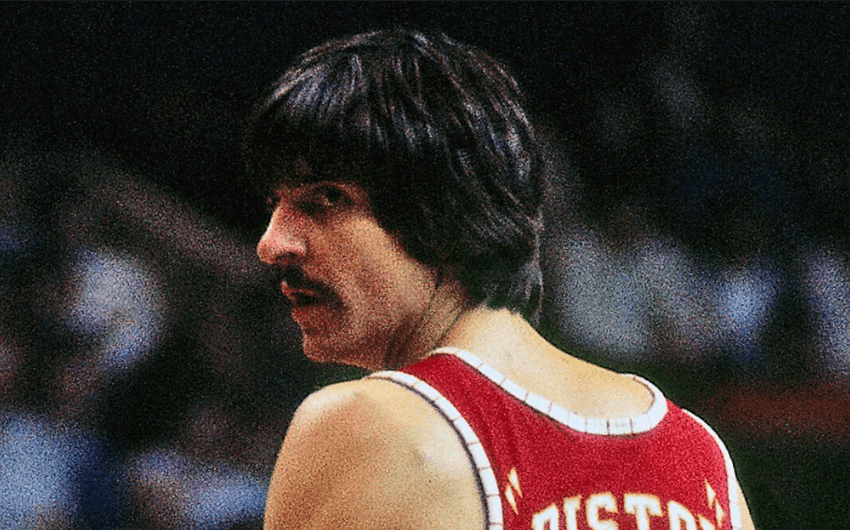
Pete Maravich was one of the most creative and electric basketball players ever, known for flashy passing, deep shooting before it was normal, and a style that looked like it came from the future. He became a college legend at LSU, then carried that showmanship into the NBA, where he was a scoring star and a fan magnet. Maravich’s influence is bigger than his stats alone—many modern guard skills and highlight-style play feel like an extension of what he was doing decades earlier.
Short Bio: Jackie Maravich
Jackie Maravich was Pete Maravich’s wife and the mother of his children. She lived much of her life away from the spotlight compared to Pete’s public career, but she was part of his personal foundation during his post-playing years, which included big life changes and spiritual shifts. In financial terms, Pete’s net worth is best understood as family-related estate value at the time of his death, shaped by what he earned during his playing days and what remained after expenses and life circumstances.
Pete Maravich’s Estimated Net Worth at Death
Pete Maravich’s net worth at the time of his death in 1988 is commonly estimated at around $1 million. In today’s dollars, that would likely be closer to $2.5 million to $3 million, depending on the inflation method used. The bigger point is that he was not “modern rich,” but he also wasn’t broke in the way some people assume when they hear about older athletes who played before the huge TV-money era.
Maravich’s financial story makes more sense when you remember what NBA economics looked like in the 1970s. Salaries were strong compared to average American income, but they were nowhere near today’s max contracts. There was less endorsement money, fewer sneaker deals, and much less “media monetization” after retirement.
How Pete Maravich Made His Money
1) NBA Salary: Strong for the 1970s, Small by Today’s Standards
Maravich earned most of his wealth through NBA contracts. He entered the league as a major star prospect, and he was paid like a top talent for his time. But “top talent for his time” still looks modest when compared to modern NBA salaries that can reach tens of millions per year.
What Maravich did have working in his favor was visibility. He wasn’t just a role player collecting checks—he was a draw. In that era, being a star mattered because it often meant better contracts, more public appearances, and more opportunities connected to basketball.
Still, the financial ceiling was lower. Even if a player earned what would be considered a “big deal” in the 1970s, that doesn’t automatically translate into a massive net worth decades later unless the money was invested extremely well and protected over time.
2) College Fame and Early Pro Spotlight
Maravich’s LSU career made him a national name before he ever played an NBA game. That kind of fame could create income through camps, exhibitions, and basketball-related events. While NCAA rules limited what players could do while enrolled, his name recognition became valuable immediately after turning pro.
In practical terms, the “Pistol Pete” brand was real. People paid to see him. That usually leads to side opportunities—especially in an era when a dazzling player could fill arenas simply by being different.
3) Endorsements and Appearances
Maravich played before the modern endorsement explosion, but stars still earned money through promotional work. He could make income through:
- Local and regional endorsements tied to team markets
- Paid appearances at sports events and community functions
- Basketball clinics and camps where fans paid for access
However, it’s important not to overstate this lane. Endorsements in his era were usually smaller and more limited. There wasn’t the same global sneaker economy, and TV advertising didn’t revolve around individual athlete brands the way it does now. He benefited from fame, but it likely wasn’t the main driver of his net worth.
4) Coaching, Clinics, and Basketball Instruction
After his playing years, Maravich stayed connected to basketball through teaching and instruction. For many retired players, camps and clinics are a practical way to earn. They may not produce giant checks, but they can provide steady income—especially for a legend whose skills people want to learn.
Maravich’s style also made him a natural “skills teacher.” Even today, his highlights are basically a training manual for creativity: ball handling, passing angles, court vision, and timing. That type of reputation often translates into paid instruction opportunities.
5) Media and Legacy Value
Maravich’s legacy grew after his playing career, but legacy doesn’t always equal money—especially if the athlete didn’t own the media rights or have long-term licensing structures set up. In modern sports, retired stars can monetize social media, podcasts, YouTube channels, signature product lines, and constant media appearances. Maravich didn’t live in that era.
Even so, his name and story remained valuable in basketball culture, and that can create occasional income through events, interviews, and basketball-related projects. The main limitation is timing: he passed away at 40, long before the modern “retired athlete media economy” became what it is today.
Why His Net Worth Wasn’t Higher
NBA Money Was Smaller, and Careers Were Shorter
Maravich was a star, but NBA salaries were not built for lifetime billionaire outcomes in the 1970s. On top of that, injuries and wear-and-tear can shorten careers, and shorter careers reduce the total earning window. The “financial compounding years” that modern players enjoy—where the biggest contracts come later—were less common and less dramatic then.
Taxes, Management Costs, and Lifestyle Expenses
High earners still face the same reality: taxes take a huge cut, and professional life carries costs. Athletes often pay for agents, financial management, travel, training, and family support. Add lifestyle choices—homes, cars, moving between cities—and the amount left to build a lasting fortune can shrink fast.
Maravich also lived in an era when many athletes were not surrounded by today’s advanced financial planning culture. Modern players are constantly warned about investing, budgeting, and long-term planning. In earlier decades, many athletes learned by trial and error.
Post-Career Years Were Complicated
Maravich’s post-playing years weren’t just “retired celebrity life.” He dealt with the transition many athletes struggle with: losing the daily structure of competition and navigating personal change. When a person’s life is in transition, financial planning often becomes harder to maintain at a high level, even if the person is talented and respected.
What Pete Maravich Likely Owned
A net worth estimate at death usually includes a mix of assets rather than one big bank account. For an athlete of Maravich’s era, his estate likely involved:
- Cash savings from NBA earnings and appearance income
- Real estate if he owned property at the time
- Personal assets such as vehicles and valuables
- Any remaining basketball-related income rights from appearances or licensing
Because he died relatively young, he had less time to build long-term investments and less time to benefit from decades of asset growth. That alone can make a major difference in what someone’s “net worth at death” looks like.
Pete Maravich’s “Value” to Basketball vs. His Financial Net Worth
It’s worth separating two kinds of value: financial net worth and cultural value. Financially, Maravich likely died with a solid but not massive estate. Culturally, he’s priceless. His style helped shape what fans expect from guard play. His creativity and flair gave basketball a new kind of entertainment, and many skills that are normal today looked shocking when he did them.
In other words, if you’re feeling surprised that his net worth wasn’t huge, that reaction is completely understandable. His impact feels bigger than any number. But the sports economy of his time simply didn’t pay in a way that matched the cultural impact he created.
Final Take on Pete Maravich Net Worth
Pete Maravich’s estimated net worth at death in 1988 was around $1 million, which would equal roughly $2.5 million to $3 million in today’s dollars. His money came primarily from NBA salaries, with additional income from appearances, clinics, and basketball-related work. He didn’t reach modern superstar wealth because the NBA financial world of the 1970s was smaller, his career window was limited, and he passed away long before the modern era of athlete branding and media monetization. Even so, his legacy remains one of the richest in basketball history—because what he gave the game can’t be measured in dollars.
image source: https://www.nba.com/news/history-nba-legend-pete-maravich