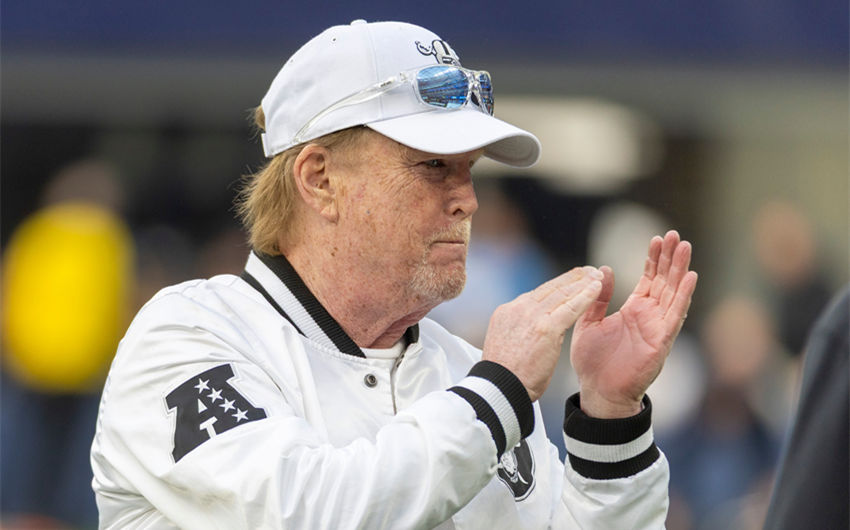
Mark Davis Explained: Raiders Owner Background, Leadership Style, Decisions, and Legacy
Mark Davis is best known as the controlling owner of the Las Vegas Raiders, but the real story is how he stepped into one of the NFL’s most distinctive legacies and tried to modernize it without losing the edge that made it famous. If you’ve only seen him in headlines, you’re missing the bigger picture: a family inheritance, a brand built on rebellion, and a leadership style that’s shaped the team’s identity in Las Vegas.
Who Is Mark Davis?
Mark Davis is an American sports franchise owner and businessman who leads the Raiders organization. He’s the son of Al Davis, the longtime Raiders figure who turned the team into a cultural symbol—part football powerhouse, part renegade brand. When Al Davis died in 2011, Mark Davis became the principal decision-maker for the franchise, inheriting not just a football team, but an identity that fans treat like a religion.
That inheritance is important because it explains why Mark is constantly judged on two competing expectations. On one hand, you’re supposed to honor the mythology of the Raiders—tough, unapologetic, different. On the other hand, the modern NFL is a business ecosystem where brand partnerships, stadium economics, and disciplined management matter as much as swagger. Mark Davis has spent his ownership era trying to balance those forces in public, under pressure, with no margin for “learning on the job.”
Quick Facts About Mark Davis
- Known for: Leading the Raiders as controlling owner
- Family legacy: Son of longtime Raiders leader Al Davis
- Era-defining move: Guiding the Raiders into the Las Vegas market
- Public persona: Low-key, polarizing, and intensely tied to “Raider identity”
How Mark Davis Took Over the Raiders Legacy
Being “the owner” in the NFL isn’t just about signing checks. It’s about hiring the right football people, approving massive business decisions, shaping culture, and absorbing blame when things go sideways. Mark Davis entered that role with a built-in advantage—he knew the Raiders world intimately—but he also inherited a unique challenge: his father wasn’t just an owner, he was a larger-than-life figure who shaped the team’s philosophy for decades.
That matters because any owner who follows a legend gets compared to the legend, not to peers. Even smart, sensible moves can be dismissed as “not how Al would’ve done it,” while risky moves can be framed as “trying too hard to prove himself.” Mark Davis’ tenure has lived inside that tension, where the past is both an asset and a shadow.
The Defining Business Move: Raiders to Las Vegas
When people talk about Mark Davis’ ownership, the Raiders’ relocation to Las Vegas is the moment that defines the era. Love it or hate it, it’s the kind of move that permanently changes a franchise’s financial ceiling and cultural positioning.
From a business perspective, Las Vegas offered something Oakland couldn’t: a modern stadium situation, a tourism-driven market, and a corporate environment that fits how the NFL now makes money. From a fan perspective, it was emotional—because Raiders fandom in Oakland was rooted in identity, history, and an “us against the world” feel. Moving a team like the Raiders isn’t just relocating a logo. It’s relocating a relationship with an entire community.
Mark Davis leaned into the bet anyway, and it’s a bet that says a lot about his leadership style: he’s willing to take heat for long-term upside. That doesn’t automatically make every decision right, but it does explain why his ownership is often discussed in terms of “legacy moves,” not just weekly wins and losses.
How He Runs the Raiders: A Different Kind of NFL Owner
Mark Davis doesn’t operate like a typical billionaire-owner archetype. He’s not famous for flashy tech wealth or a sprawling business empire outside football. Instead, he’s deeply tied to the Raiders as the core asset and the core mission. That creates a distinct dynamic: the franchise isn’t a side investment; it’s the main event.
You can see this in the way he talks about the Raiders publicly. The tone isn’t “portfolio manager.” It’s “steward of a thing that matters.” For fans, that’s either reassuring or frustrating, depending on how the team is performing.
Owners who treat teams as brand extensions tend to be polished and corporate. Mark Davis often comes across more personal than corporate—sometimes to his benefit, sometimes not. But it’s a consistent trait: he feels like someone who believes the Raiders are supposed to be different, and he wants the organization to reflect that.
Football Decisions: Coaches, Front Office, and the Weight of Expectations
Ultimately, fans don’t judge owners on stadium renderings. They judge them on football decisions. That means Mark Davis’ reputation swings with the coaching hires, the front office structure, and whether the team looks coherent on Sundays.
Here’s the tricky part: the Raiders’ brand is built on boldness, but sustained winning usually comes from patience and stability. Those two things aren’t always compatible in the public eye. When a team struggles, fans demand dramatic change. When a team changes too much, fans demand consistency. Owners get blamed either way.
Mark Davis has had to navigate that reality while trying to build a winning foundation in a new city. That includes the challenge of choosing the right people to run football operations—people who can draft well, manage cap strategy, build culture, and create a long-term identity that fits the Raiders without becoming a parody of the Raiders.
If you’ve followed the team, you’ve seen how much of the discussion circles the same themes: “Do we have a real plan?” “Are we building something sustainable?” “Is this another reset?” Those questions are really questions about ownership direction, even when they’re phrased as critiques of coaches or GMs.
Mark Davis’ Public Image and Why It Sticks
It’s impossible to talk about Mark Davis without acknowledging the public persona that’s become part of sports culture. He’s been memed, mocked, and analyzed in a way that most owners aren’t. Some of it is superficial—his look, his haircut, his low-drama presence in a league that loves big personalities. But the reason it sticks isn’t just aesthetics.
It sticks because the Raiders are a high-emotion franchise. When you’re attached to a team with that kind of mythology, people project onto the owner. They want a villain when the team loses, and they want a hero when the team wins. Mark Davis often becomes the symbol people argue with, because “the owner” is the easiest target when fans feel powerless.
At the same time, his relative openness compared to some owners—he doesn’t hide behind mystery—makes him easier to form opinions about. He’s visible enough to be criticized, but not so performative that he can distract people with charisma. In a way, that makes every decision feel louder.
What Mark Davis Represents to Raiders Fans
Raiders fans are not casual about their team. Even if you’re not a fan yourself, you can feel it: the Raider identity is personal. It’s a culture. That’s why Mark Davis is viewed through such an emotional lens. He isn’t just “the owner.” He’s the person holding the keys to something fans feel they co-own emotionally.
For some fans, he represents continuity—proof that the Raiders are still connected to their origin story, not just a relocated entertainment product. For others, he represents frustration—because continuity without championships can start to feel like nostalgia instead of progress.
Both reactions can exist at the same time. You can respect the legacy and still demand better results. You can appreciate the move’s business logic and still mourn what was lost. Mark Davis sits at the center of that contradiction, whether he wants to or not.
How His Era Will Be Judged Long-Term
In the long run, Mark Davis’ ownership will be judged on a few big outcomes.
First, did the Raiders become a consistently competitive team in Las Vegas, or did they become a brand that’s louder than its record? Second, did the organization develop stability—clear leadership, a consistent roster-building approach, and an identity you can recognize beyond slogans? Third, did he protect what makes the Raiders special while still evolving the business and the on-field product?
Those questions are bigger than any single season. They’re about whether a franchise with one of the strongest identities in American sports can translate that identity into modern success—without becoming a museum piece.
Bottom Line
Mark Davis is the Raiders’ controlling owner and the heir to one of the NFL’s most powerful legacies. His ownership era is defined by the move to Las Vegas, a constant push-and-pull between tradition and modernization, and the never-ending pressure to turn a legendary brand into sustained winning. If you’re trying to understand why his name keeps coming up, it’s because he isn’t just managing a team—he’s managing an identity, in the loudest league in America, under a spotlight that never turns off.