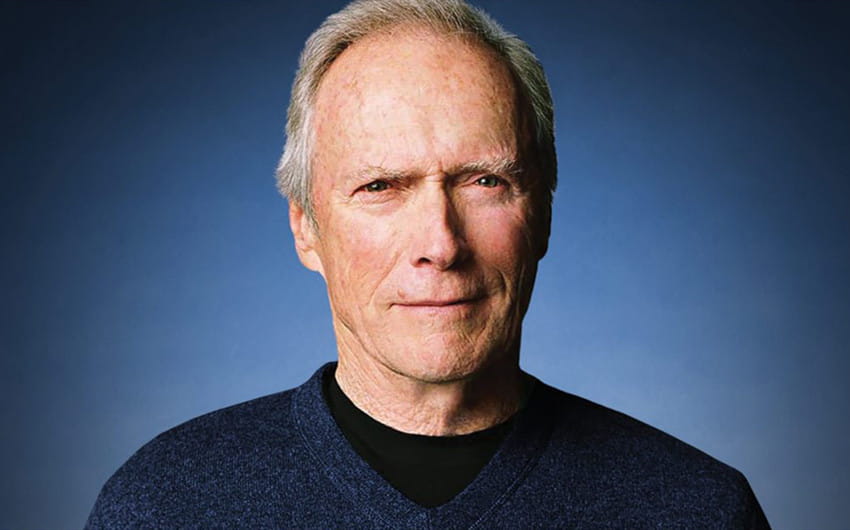
Clint Eastwood Net Worth in 2026: Movies, Directing, Real Estate, Investments, Royalties
When people search clint eastwood net worth, they’re really asking how one man stayed powerful in Hollywood for more than seven decades—and still kept the money. The short answer is that Eastwood didn’t just earn big paychecks as a star. He built ownership, negotiated smart deals, kept budgets tight, and quietly stacked real estate and business assets that hold value long after the cameras stop rolling.
Quick Facts
- Full Name: Clinton Eastwood Jr.
- Born: May 31, 1930
- Age: 96 (as of 2026)
- Height: About 6’4″ (193 cm)
- Nationality: American
- Profession: Actor, director, producer
- Production Company: Malpaso Productions
- Known For: Spaghetti Westerns, Dirty Harry, and award-winning directing
- Former Spouses: Maggie Johnson (divorced), Dina Ruiz (divorced)
- Late Partner: Christina Sandera (partner until her death in 2024)
- Children: 8
- Estimated Net Worth (2026): About $375 million (approx.)
Short Bio: Clint Eastwood
Clint Eastwood is an American film legend who became a global star through Westerns and crime thrillers, then reinvented himself as one of Hollywood’s most respected directors and producers. He’s known for a steady, no-drama approach to filmmaking—shorter shoots, controlled budgets, and a focus on performance over spectacle. Over time, that style became a financial advantage, helping him turn hit movies into long-term profit and giving him rare staying power in an industry that constantly changes.
Short Bio: Christina Sandera (Late Partner)
Christina Sandera was Clint Eastwood’s longtime partner for about a decade and kept a relatively private life compared to most people connected to major celebrities. While she was not a public-facing entertainer, she became known through her relationship with Eastwood and their appearances at select events. Her death in 2024 was widely reported, and it marked the end of Eastwood’s most recent long-term relationship.
Clint Eastwood’s Estimated Net Worth in 2026
In 2026, Clint Eastwood’s net worth is best estimated at around $375 million. That number reflects more than acting income. Eastwood has earned like a star, but he has also earned like an owner—through producing leverage, profit participation, and a long-term business setup that helped him keep more of what his movies made.
His wealth also benefits from something that’s easy to overlook: longevity. Eastwood didn’t have one or two big years. He had decades of steady, high-level earnings, which makes it easier to build investments, buy valuable property, and withstand slow periods without needing to “cash out” too early.
The Big Money Engine: Acting, Directing, and Producing
Eastwood’s career is basically three careers stacked on top of each other: movie star, director, and producer. Each one adds a different kind of income and a different kind of control. And in Hollywood, control is often what creates the biggest long-term money.
1) Acting Paychecks and Star Power
Eastwood’s early wealth foundation came from starring roles that sold tickets. The “leading man” era matters because it created negotiating power. When studios know your name sells, you can ask for better terms, higher pay, and—most importantly—pieces of the upside.
Even when actor salaries were smaller than the blockbuster era that came later, Eastwood was consistently in demand. That steady work created something very valuable: reliability. Reliable stars don’t just get hired; they get better deals.
2) Directing Fees, Awards, and Long-Term Reputation
Directing changed Eastwood’s financial life because it turned him into the person shaping the entire project. Directors can earn strong upfront money, but the larger value is that a director with a trusted track record can negotiate better profit terms and maintain creative control.
Eastwood also developed a reputation for delivering quality films without wasting money. Studios love that. If you deliver on time and on budget, the studio’s risk drops. When your risk drops, your leverage rises, and leverage tends to show up in your paycheck and your backend.
3) Producing and Malpaso: The Quiet Ownership Advantage
One of the smartest moves Eastwood ever made was building his long-running production company, Malpaso Productions. This is where his wealth story becomes less “celebrity rich” and more “business rich.” A production company can earn from producing fees, overhead, and—depending on the structure—profit participation and rights-related income.
Owning a production company also means you can build a repeatable system. Instead of starting from scratch on every movie, you develop relationships, crews, workflows, and budgets that improve with experience. Eastwood’s famously efficient sets are not just a style choice—they’re a business strategy.
Why Eastwood’s Movies Keep Paying Long After Release
For a film legend, the money doesn’t end on opening weekend. It continues through the long tail: reruns, licensing, streaming deals, international distribution, home entertainment, and catalog value that grows as a career becomes “classic.”
Eastwood has a deep film catalog that includes:
- Iconic franchises and characters that remain culturally relevant
- Award-winning films that get replayed and rediscovered
- Cross-generational popularity that keeps new audiences watching older titles
Even if individual movie deals vary, a huge catalog can function like a long-term income base. The larger the catalog, the more licensing opportunities appear, and the more stable the “evergreen” earnings become.
Budget Discipline: How Saving Money Can Make More Money
In Hollywood, it’s not only what a movie earns—it’s what the movie keeps. Eastwood became known for controlled budgets and efficient shoot schedules. That’s not just an artistic preference. It’s financial math.
When a movie costs less to make, it needs less revenue to become profitable. And when a movie becomes profitable faster, the producer side can benefit through profit participation and stronger negotiating power for the next project. This is one reason Eastwood’s career is often described as unusually sustainable: he wasn’t constantly gambling on gigantic, bloated productions.
Real Estate: The Massive Asset Layer
Eastwood’s net worth is strongly supported by real estate and property-related projects. Real estate matters because it can hold value independently of Hollywood cycles. When entertainment income swings, property can stabilize wealth.
Over the years, Eastwood has been associated with significant property in and around California and beyond. A few well-known themes show up in his real estate pattern:
- Buying early in places he genuinely liked
- Choosing privacy over flashy show-off properties
- Restoring or improving properties rather than treating them as temporary flexes
Mission Ranch and Carmel: Business Meets Preservation
Eastwood’s connection to Carmel-by-the-Sea isn’t just personal—it’s practical. Carmel has long been part of his identity, and he’s been associated with preserving and improving local properties. Projects like Mission Ranch are often discussed not only as real estate holdings, but as business assets that can generate ongoing revenue while holding long-term property value.
Teháma: A Bigger Vision Project
Teháma is often described as a large-scale, long-term project tied to Eastwood’s vision and land development interests. Projects like this can support net worth in multiple ways: land value, development value, and the long timeline that allows an asset to appreciate gradually.
Not every development project is a pure “cash machine,” but the key point is that land and planned communities can become major wealth anchors over time—especially when positioned as premium, limited, and long-lasting.
Ranch and Retreat Properties
Large ranch-style properties and private retreats are often part of the wealth story for long-running Hollywood figures. They serve lifestyle needs, but they can also act as long-term stores of value. When acquired at the right time, these properties can appreciate dramatically over decades.
Investments and Business Moves Beyond Movies
At Eastwood’s wealth level, investments usually become a behind-the-scenes pillar. The goal is simple: turn unpredictable entertainment income into stable, long-term assets. That often includes a mix of real estate, traditional market investing, and private opportunities that never make headlines.
While his full investment portfolio isn’t public, his overall pattern fits the classic high-wealth approach:
- Diversify so one bad box office year doesn’t matter
- Hold tangible assets that keep value over time
- Build long-term income streams rather than relying on “one last hit”
Expenses That Come With Being Clint Eastwood
Net worth isn’t just what you earn—it’s what you keep. And someone with Eastwood’s career and profile has significant ongoing costs, even if he lives relatively privately for a celebrity of his size.
Likely major expenses include:
- Taxes across decades of high earnings
- Business overhead tied to production and staffing
- Property upkeep for large, valuable holdings
- Legal and financial management for complex assets
- Family responsibilities across a large family
What matters is that Eastwood’s earnings and asset base have been large enough for long enough that these costs don’t erase the overall growth.
Why Clint Eastwood’s Wealth Has Lasting Power
Eastwood’s financial durability comes from the same things that made his career durable: consistency, control, and smart systems. He didn’t just act. He directed. He produced. He built a company. He held real estate. He kept working across eras instead of burning out in one decade.
That combination creates a different type of Hollywood wealth—less flashy, more structural. It’s the difference between “high income” and “lasting net worth.”
Final Take on Clint Eastwood Net Worth in 2026
With an estimated net worth of about $375 million in 2026, Clint Eastwood’s fortune reflects a rare career built on both artistry and business sense. He earned as a movie star, increased his leverage as a director, and protected his upside through producing and long-term ownership. Add in valuable real estate and a deep film catalog that keeps paying, and you get a wealth story that’s less about one big payday—and more about decades of smart, steady compounding.
image source: https://5mbs.com/clint-eastwood-and-jazz-from-denis-wall/