Thailand King Net Worth in 2026: Estimates, Crown Assets, and Key Holdings
If you’re searching Thailand king’s net worth, you’re trying to pin down how wealthy the monarch really is—and why the numbers look so huge. The short answer is that most public estimates put the Thai king’s wealth in the tens of billions of dollars, but the exact figure is hard to verify because royal wealth doesn’t work like a typical celebrity bank account. Once you understand what’s being counted, the estimates start to make a lot more sense.
Who Is the King of Thailand?
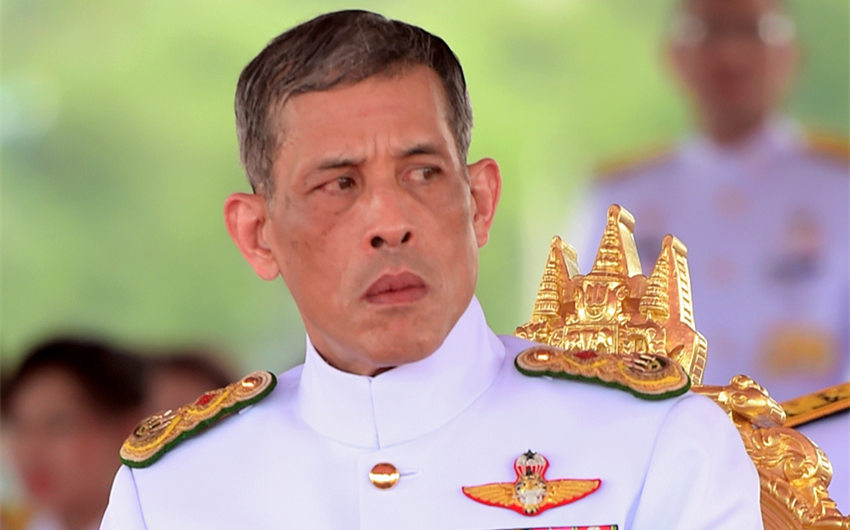
Thailand’s king is Maha Vajiralongkorn, also known as King Rama X of the Chakri dynasty. He became monarch after the death of his father, King Bhumibol Adulyadej, and later held a formal coronation. Thailand is a constitutional monarchy, meaning the king is head of state, while elected officials and institutions handle day-to-day governing.
When people discuss the king’s “net worth,” they aren’t just talking about personal income. They’re usually talking about a much larger ecosystem: crown-linked property, long-held investments, and control over assets that have historically been associated with the monarchy for generations.
Thailand King Net Worth in 2026
The most commonly repeated estimates place the Thailand king’s net worth in a broad range of roughly $30 billion to $45+ billion in 2026. You’ll sometimes see higher figures, and you’ll sometimes see lower figures, but the central idea is consistent: it’s a tens-of-billions fortune.
Here’s the important nuance: this is not an officially audited personal balance sheet. Royal finances are not published like corporate earnings reports. Analysts and media estimates typically rely on a mix of publicly discussed holdings (such as known corporate stakes), reasonable real estate valuations, and assumptions about how crown-related assets should be counted under the current legal and administrative structure.
So if you want to hold the number responsibly, think of it as a tier rather than a precise figure. The tier is clear: one of the world’s richest monarchies.
Quick Facts
- Monarch: Maha Vajiralongkorn (Rama X)
- Common net worth tier: Tens of billions of dollars
- Main wealth pillars: Crown-linked property, Bangkok real estate, and major corporate stakes
Why a Monarch’s Net Worth Is So Hard to Calculate
If you look up an actor’s net worth, you’re mostly tracking salaries, contracts, and visible business deals. With a monarchy, the lines blur. Some assets are described as “crown property” rather than personal property. Some are managed through institutions tied to the monarchy. Some may be controlled by the monarch personally under specific legal frameworks. And some are simply hard to value because they are not “for sale” in any normal sense.
This is why estimates differ so widely. Two people can agree that the monarchy is enormously wealthy and still disagree on how to count the assets. One estimator might treat certain holdings as institutional assets. Another might treat them as personally controlled assets. Both can produce a different “net worth” number while still describing the same reality: the Thai monarchy sits on an extraordinary concentration of wealth.
It also helps to remember that net worth is not the same thing as spending cash. A person can have a $40 billion net worth and still have only a fraction of that as liquid money. Most of the value can be tied up in land, buildings, and long-term corporate stakes.
Net Worth Breakdown
Crown-Linked Property and the Asset Engine Behind the Wealth
The biggest driver behind Thailand king net worth estimates is crown-linked property. When analysts talk about a $30–$45+ billion fortune, they’re often counting massive property and investment holdings associated with the monarchy—assets that have accumulated over a long historical timeline and are not comparable to “a rich person’s investment portfolio.”
This category matters because it functions like a giant asset base: land and property that can generate ongoing income and appreciation. When you hold prime land for decades or generations, the market does a lot of the work for you. Value rises simply because the land becomes more central, more scarce, and more economically important over time.
In practical terms, crown-linked property can include: prime commercial land, residential holdings, long-term leases, and major properties that sit in the most valuable parts of Bangkok and beyond. When you combine that with business holdings, you get the kind of “built-in compounding” that creates a fortune measured in billions.
Bangkok Real Estate and Why It’s Always the Headline
If you want to understand why the estimates are so high, focus on Bangkok real estate. Prime Bangkok land can be extraordinarily valuable, and large-scale holdings in central areas can be worth staggering amounts on their own.
Real estate is also one of the easiest categories for outsiders to “understand,” which is why it shows up in almost every net worth explanation. It’s tangible. It’s visual. And it’s the kind of asset that can quietly outgrow everything else. Even if the monarchy’s wealth were only property—without corporate stakes—it could still land in the tens-of-billions conversation depending on how much is held and how it’s valued.
Another reason property drives estimates is that it can generate ongoing income through leases and long-term development arrangements. This creates a system where the asset doesn’t just sit there; it can produce steady cash flow while also appreciating in value.
Major Corporate Stakes and the “Market-Value” Component
Corporate stakes matter because they’re easier to value than private property. If an ownership stake is known or widely reported and the company is publicly traded, analysts can estimate its value based on market capitalization and share price.
In discussions of Thailand’s royal wealth, major stakes connected to large Thai corporations are frequently cited as key pillars of the overall fortune. When those companies are large and stable, their value can represent billions on its own.
From a net worth perspective, corporate stakes add two things:
Paper value: a measurable “how much this stake is worth today” number.
Income potential: dividends and long-term appreciation over time.
This is part of why the Thailand king net worth conversation stays in the “global richest monarchs” category. It isn’t only land. It’s also ownership.
How Legal Structure and Control Shapes the Estimates
Another reason estimates swing is that “ownership” in a royal context can be complicated. Some assets are described as crown assets (associated with the institution). Some may be described as personally controlled. The public conversation about the monarchy’s wealth has included discussion of changes over time in how crown assets are administered and controlled.
Why does this matter? Because a net worth estimate depends on what you count as “the king’s.” If an estimator believes a larger portion of crown-linked assets is directly controlled by the monarch, the estimate goes up. If an estimator treats more of the assets as institutional or not personally owned, the estimate may go down—even if the underlying wealth is unchanged.
This is why you’ll see a wide range, but you’ll still see the same conclusion: the wealth is enormous.
Palaces, Royal Collections, and Symbolic Value vs. Sellable Value
Royal wealth also includes assets that aren’t easily priced because they aren’t treated like normal property. Palaces, historical buildings, and collections can have immense value, but they may not be sellable in any normal market sense. They function as part of the monarchy’s institutional identity and cultural heritage.
That creates a valuation problem: should these assets be counted at full market value if they are not realistically going to be sold? Some estimators do. Some don’t. That choice can move the “net worth” number dramatically.
But even if you remove the hardest-to-value symbolic assets, the combination of real estate and corporate stakes alone is often enough to keep the estimate in the tens-of-billions tier.
Liquidity vs. Net Worth: Why the Fortune Isn’t “All Spendable”
It’s tempting to imagine a king with tens of billions in a vault, but net worth rarely works like that. The richest people on earth usually have most of their wealth tied up in assets—companies, stocks, and property—not cash.
For a monarch, that reality can be even more extreme because some assets are held in structures that emphasize continuity and control rather than quick conversion into cash. Selling off major holdings could be politically sensitive, economically disruptive, or culturally controversial.
So the better way to think about the wealth is as a powerful asset ecosystem, not a checking account.
Bottom Line
Thailand’s king, Maha Vajiralongkorn (Rama X), is commonly estimated to be worth tens of billions of dollars in 2026. You won’t find an exact verified number because royal wealth is not disclosed like ordinary private wealth and because crown-linked assets don’t fit neatly into a standard “net worth” formula. But the structure behind the estimates is straightforward: enormous property holdings, valuable Bangkok real estate, and major corporate stakes create a wealth profile that belongs in the global top tier of monarch fortunes.