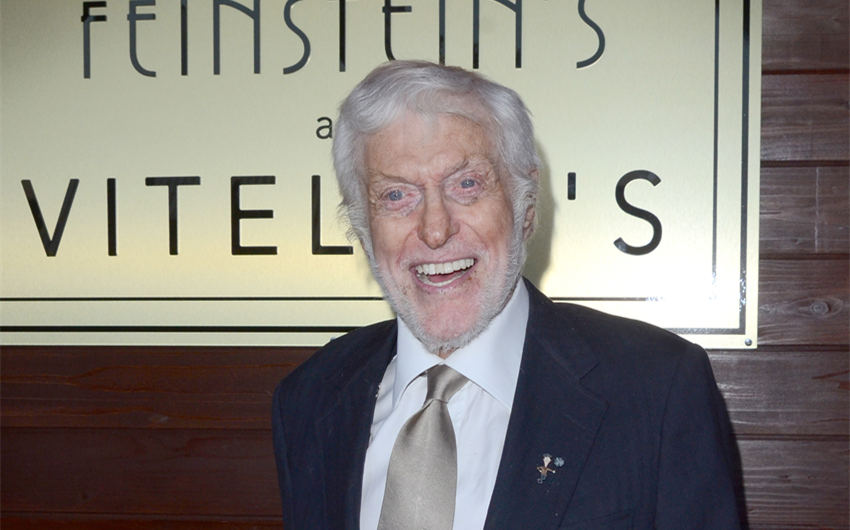
Dick Van Dyke Net Worth in 2026: Estimated Wealth and Where It Came From
If you’re searching Dick Van Dyke net worth, you’re probably wondering how a performer from early television still ranks among Hollywood’s wealthiest legends. The simple answer is longevity: decades of iconic work, repeated licensing value, and smart asset-building over time. Most commonly cited estimates place his net worth at around $50 million in 2026, though the true figure can only be approximated.
Who Is Dick Van Dyke?
Dick Van Dyke is an American actor, comedian, singer, and dancer whose career spans generations. You likely know him from classic television—especially The Dick Van Dyke Show—and from evergreen family films like Mary Poppins and Chitty Chitty Bang Bang. What makes him unique isn’t just fame; it’s staying power. His work didn’t fade into nostalgia. It kept being rewatched, re-licensed, and rediscovered, which is exactly the kind of long-term cultural relevance that keeps money flowing long after the original paychecks.
Estimated Dick Van Dyke Net Worth in 2026
In 2026, Dick Van Dyke’s net worth is most often estimated at about $50 million. You’ll see slightly different numbers depending on the outlet, because celebrity net worth figures are not official financial disclosures. They’re educated estimates based on public career history, known assets (like real estate), and the reasonable assumption that decades of work created lasting income streams.
The more useful way to think about it is this: even if the exact figure isn’t perfectly knowable, the “shape” of his wealth is clear. It’s not built on one trendy project or a short burst of popularity. It’s built on titles that never stopped being valuable.
Quick Facts
- Common 2026 estimate: around $50 million
- Main money engines: classic TV, iconic films, long-tail licensing, real estate
- Why his wealth endures: his work stayed culturally evergreen for decades
Net Worth Breakdown
Classic Television Earnings and the Long Tail of Syndication
When you look at a performer’s wealth from the early TV era, the biggest misconception is assuming the money ended when the show ended. For classic television, the afterlife of a show can be just as important as the original run. A series that becomes a staple gets syndicated, repackaged, and licensed repeatedly. Even if the structure of older contracts differs from modern streaming deals, the long-term value of starring in a beloved classic is enormous.
Here’s why this matters for net worth: when a show remains part of the cultural conversation, it keeps your name commercially useful. You’re not just “a former actor.” You’re a recognizable brand. That recognition supports income in obvious ways (residual-style payments and licensing-related money) and in quieter ways (paid appearances, specials, and opportunities tied to legacy).
And because The Dick Van Dyke Show remains a reference point for sitcom history, it’s the kind of work that continues to generate value even if you’re not actively chasing new roles.
Iconic Film Roles That Never Stopped Being Watched
Van Dyke’s film legacy isn’t niche. It’s the kind of family-friendly, cross-generational catalog that parents share with kids, and kids later revisit as adults. That’s important because “rewatchable” is a financial category. If a film lives forever in public rotation, it keeps creating revenue for the companies that own it, and it keeps the star associated with it in demand.
You’ve probably seen how this works in real life: every holiday season, classic family entertainment surges, and the stars tied to those films become part of a yearly media loop. That attention can translate into paid interviews, documentary-style content, special appearances, and other legacy-driven work.
Even if you never see a clean breakdown of his exact film earnings, the pattern is consistent across Hollywood history: being connected to a small number of truly timeless films can be more valuable over a lifetime than starring in dozens of forgettable projects.
Residual Income, Licensing, and Evergreen Brand Value
It helps to separate two ideas that people often mix together: “residual checks” and “residual value.” The exact mechanics of residual payments vary by era and contract, and older deals don’t always resemble modern streaming-era models. But the broader concept is still true: when your work is constantly licensed, broadcast, streamed, and sold, money continues to move around that work.
Even beyond direct payments, evergreen brand value creates opportunity. When people love you, trust you, and recognize you instantly, you’re able to take selective projects that pay well precisely because you’re a legend. That’s why some entertainers remain financially strong even when they’re not working at a high volume: the name itself becomes a premium asset.
If you’ve ever wondered why Van Dyke’s relevance seems to “reset” with each new generation, this is the reason. The content keeps finding new audiences, so the public affection keeps renewing.
Stage Work and Variety-Performer Versatility
Dick Van Dyke wasn’t only a TV actor. He was a genuine variety performer—someone who could sing, dance, and carry comedic timing with precision. That versatility matters financially because it multiplies your lanes. When you’re not boxed into a single type of role, you can earn across formats: stage runs, specials, guest spots, and one-off events that pay well because the skill set is rare.
Think of it like career insurance. If one lane slows down, you can lean into another. Over decades, that adaptability can have a compounding effect: more work opportunities, stronger negotiating power, and a longer period of high earning capacity.
Even if stage and performance work isn’t the biggest slice of a modern net worth estimate, it’s part of what made him a premium talent early—and premium talent tends to accumulate premium deals.
Real Estate as a Quiet but Powerful Wealth Builder
For many classic Hollywood figures, real estate is the “quiet engine” behind long-term wealth. If you buy property in a high-demand area and hold it for decades, the appreciation can be dramatic. This is especially true in places like coastal California, where property values have historically climbed over long time horizons.
Van Dyke has been associated for years with a long-held Malibu home, which is frequently mentioned in entertainment and real estate coverage. Whether you know the purchase price or not, the broader point remains: a long-held Malibu property is typically a multi-million-dollar asset. That kind of asset can support a net worth estimate significantly—sometimes more than any single acting contract ever did.
So if you’re trying to make sense of the $50 million estimate, don’t think only in terms of “acting salary.” Think in terms of lifetime asset-building: property held for decades plus a career catalog that never stopped generating value.
Late-Career Appearances and the Value of Being Beloved
Another reason his net worth stays strong is that his public image remained broadly positive. In entertainment, goodwill is currency. When a performer is loved across generations, late-career projects become easier to monetize: fewer appearances, more impact, often strong compensation, and a lot of media attention for each moment.
You’ve probably noticed this dynamic with other legends too. When they show up, it becomes news. And when it becomes news, it tends to be valuable—whether that value shows up as paid opportunities, partnerships, or simply continued demand that keeps the legacy machine alive.
Van Dyke’s continued visibility adds a modern layer to a classic career. He isn’t only remembered. He still feels present. That “present-tense fame” is rare at his age, and it’s part of why people still ask about his finances.
Why Dick Van Dyke’s Net Worth Holds Up Better Than Many Stars
Plenty of celebrities earn a lot and still end up with far less than people expect. Van Dyke’s estimated wealth holds up because his career and assets follow a stable formula:
Timeless work: classic TV and films that stay in demand.
Cross-generational appeal: family-friendly titles that remain rewatchable.
Longevity: decades of relevance instead of one short peak.
Asset support: real estate that likely appreciated substantially over time.
Put together, those elements create the kind of financial durability that’s hard to replicate. It’s not flashy. It’s compounding.
Bottom Line
Dick Van Dyke’s net worth in 2026 is most commonly estimated at around $50 million. That estimate makes sense when you look at the full picture: a classic TV legacy with long-term licensing value, iconic film roles that never stopped being watched, and real estate holdings that likely appreciated dramatically over decades. If you came here for the number, that’s the headline. If you came here for the “why,” it’s the power of evergreen entertainment plus the quiet wealth-building effect of time.